What Is a Telehandler?
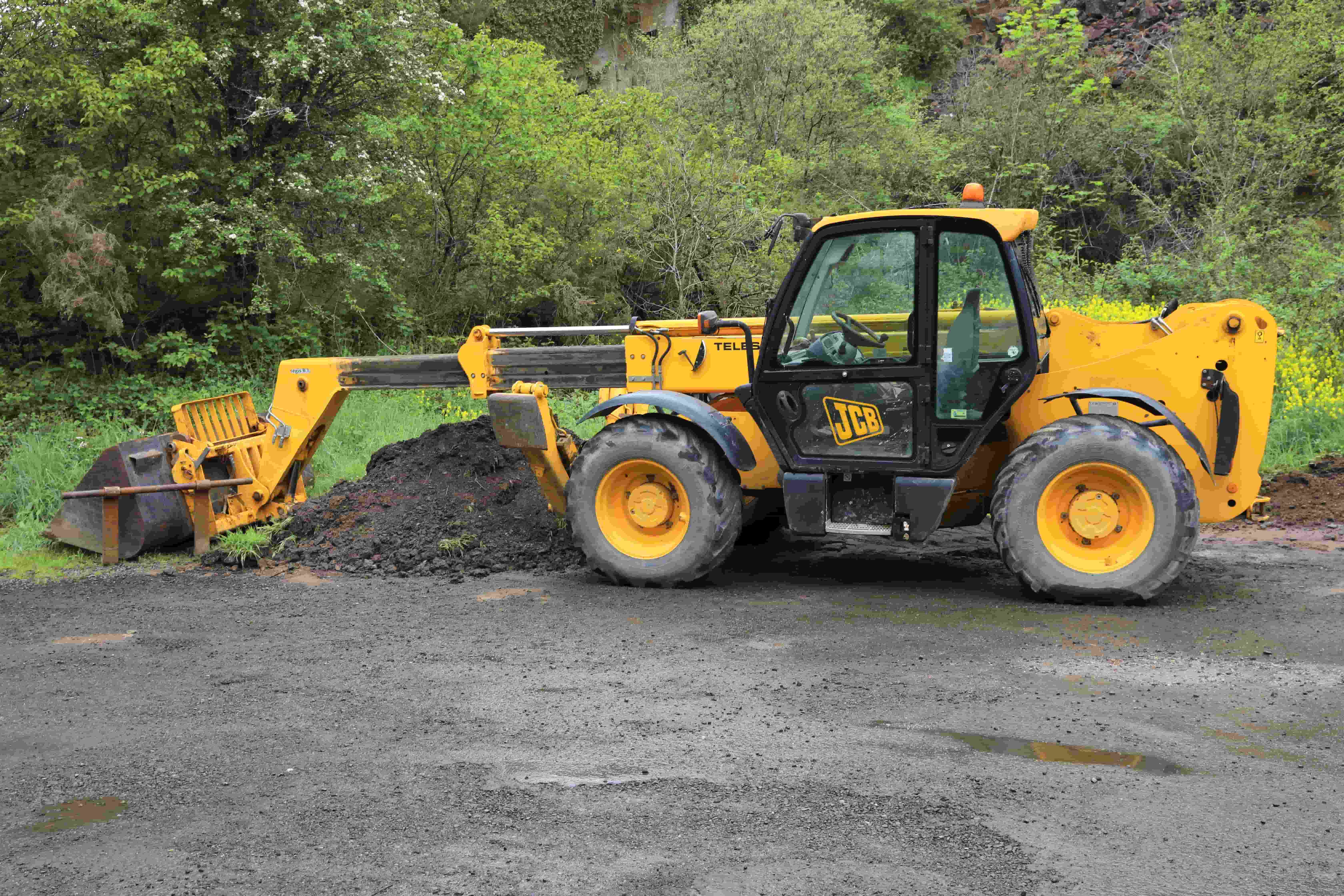
A telehandler also known as a telescopic handler is a highly versatile piece of plant equipment used across construction agriculture and industrial sectors. It is essentially a telescopic forklift capable of lifting loads while extending or retracting its boom to adjust both reach and lift height. Telehandlers are often referred to as a lull teleporter reach forklift or zoom boom. Regardless of the name their purpose remains the same allowing operators to lift transport and place heavy loads in areas that would be difficult or impossible to reach using standard lifting equipment.
The main function of a telehandler is lifting palletised loads but with the correct attachments it can also suspend loads using chains shift materials across uneven ground and place items at height with precision. To operate a telehandler safely and legally operators must complete accredited training such as a CPCS or NPORS telehandler course which provides both practical skills and recognised certification required on site.
https://www.hse.gov.uk/construction/safetytopics/telescopic.htm
How Does a Telehandler Work?
A telehandler is designed around a telescopic boom which can extend forwards and upwards allowing the machine to lift loads to height or reach over obstacles. This design gives it significantly greater flexibility than traditional forklifts. Telehandlers are commonly used in construction agriculture and waste and recycling environments where uneven ground and limited access are common challenges.
One of the key features of a telehandler is its ability to accept multiple attachments. Thanks to a quick hitch system operators can change attachments efficiently reducing downtime and improving productivity. Depending on the attachment fitted a telehandler can act as a forklift crane loader or lifting platform making it an invaluable asset on busy worksites.
https://www.hse.gov.uk/agriculture/topics/machinery/farm-vehicles-4.htm
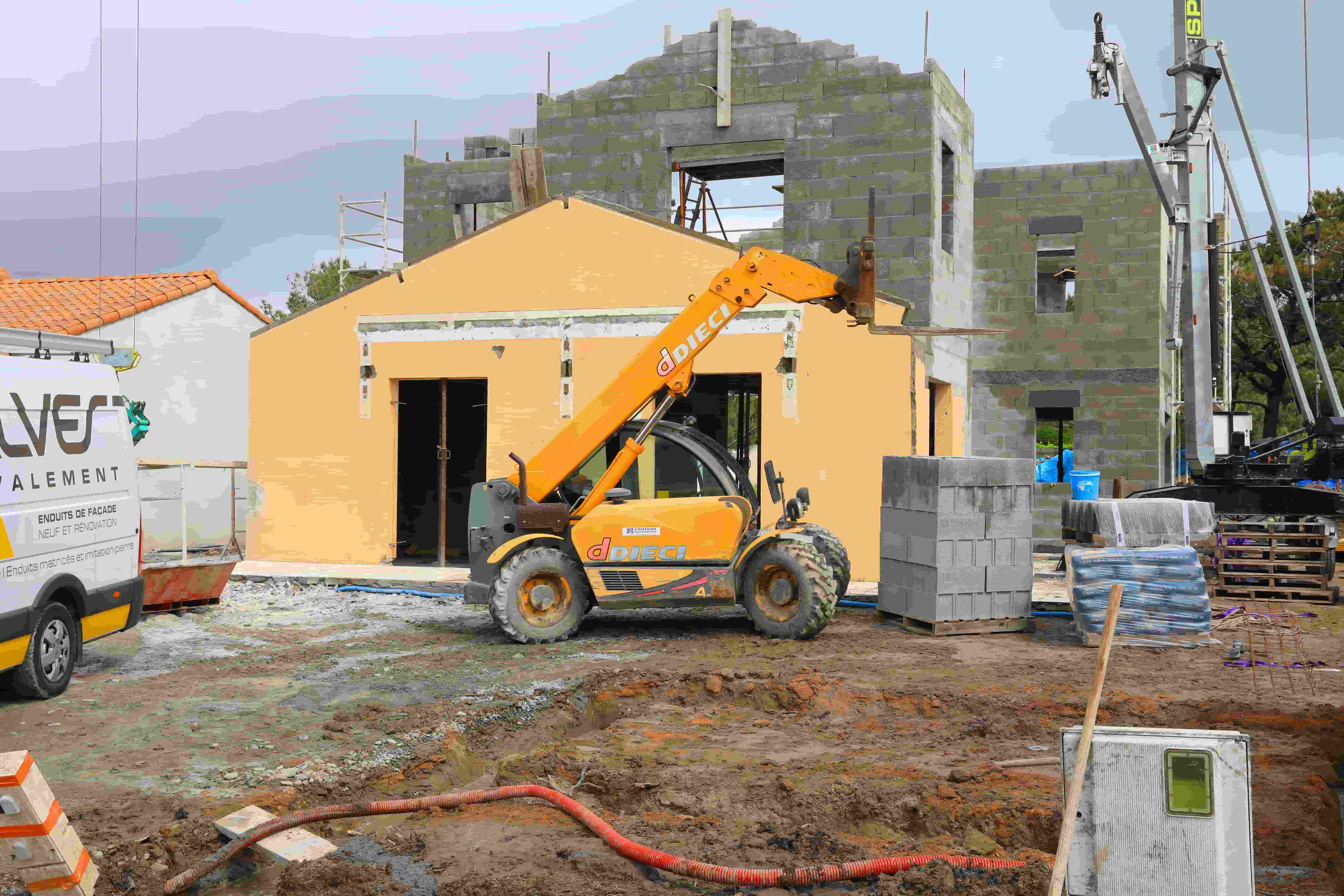 What are Telehandlers used for.jpg 322.8 KBWhat Is a Telehandler Used For?
Telehandlers are widely used across many industries particularly construction and agriculture. While they can be used indoors their size and reach generally make them better suited to outdoor or large open environments.
The primary use of a telehandler is lifting and transporting heavy loads. For short distance movements the telescopic boom allows loads to be positioned accurately without constantly moving the base machine. Telehandlers can handle a wide range of materials including steel beams concrete blocks bricks timber pallets earth and waste.
One of the biggest advantages of a telehandler is its versatility. By changing attachments the machine can perform multiple tasks which reduces the need for additional equipment on site. Telehandlers are also designed to remain stable on uneven or rough terrain making them ideal for construction sites farms and outdoor projects. When fitted with a working platform they can also be used to provide access to elevated work areas.
Telehandler Sizes and Lifting Capabilities
Telehandlers come in a wide range of sizes and lifting capacities depending on the model and intended use. Smaller compact telehandlers may reach around 4 metres while larger high lift machines can extend up to 20 metres or more. In general the larger the telehandler the heavier the load it can lift.
A standard telehandler typically lifts between 4,400 lbs and 12,000 lbs while heavy load telehandlers can lift up to 16,000 lbs. Modern telehandlers are fitted with sensors that alert operators when they are approaching the machine’s weight limits helping improve safety and efficiency.
It is important to note that a telehandler’s maximum lifting capacity decreases as the boom extends. Always choose a machine that can comfortably exceed your required lifting weight at the necessary reach to ensure safe operation.
https://www.hse.gov.uk/work-equipment-machinery/lift-equipment.htm
 Telehandler Training.jpg 474.54 KB
Types of Telehandlers
There are several types of telehandlers designed for different environments and tasks. Super compact telehandlers are ideal for tight spaces and lighter loads. Compact telehandlers offer increased manoeuvrability while handling moderate loads. Standard lift telehandlers are suitable for general lifting tasks. High lift telehandlers are designed for projects requiring extended reach and heavy load telehandlers are built for lifting exceptionally heavy materials. Choosing the correct type of telehandler is essential for safe and efficient work.
https://www.hse.gov.uk/agriculture/topics/maintenance-4.htm
Telehandler Attachments
The adaptability of a telehandler comes from its wide range of attachments. Common attachments include fork carriages for palletised loads crane jibs for lifting suspended loads buckets for bulk materials bucket and claw attachments for loose or irregular materials and lifting hooks for suspended loads.
These attachments allow telehandlers to move materials such as pallets concrete blocks timber industrial pipework and packaged goods. Crane jib attachments in particular allow telehandlers to access areas where standard forklifts cannot operate making them even more versatile.
Telehandler vs Forklift
While both machines are used to lift heavy loads telehandlers and forklifts are designed for very different environments. A forklift uses fixed forks and is best suited to warehouses factories and flat indoor surfaces. A telehandler uses a telescopic boom accepts multiple attachments and is designed for outdoor worksites and rough terrain.
Because of their reach and flexibility telehandlers often reduce the need for multiple machines on construction sites improving efficiency and productivity.
Telehandler Operator Training Requirements
Operating a telehandler requires proper training certification and ongoing competence. Telehandlers are powerful machines and can pose serious risks if operated incorrectly. The Health and Safety Executive highlights that many incidents occur during lifting and moving operations making correct training essential.
Telehandler training covers daily safety checks safe manoeuvring and load handling operation on different ground conditions and understanding hydraulic controls including boom extension lifting and tilting.
To work as a telehandler operator you can gain recognised qualifications through CPCS or NPORS telehandler courses. Upon completion operators receive a certification card proving their competence. Refresher training is also recommended to maintain high safety standards.
For more information on telehandler training call 01695 558420 or complete our online contact form.
Where can I complete this course?
Burscough
The Motorcycle Track, Bleak Ln, Burscough, Ormskirk, L40 4BP
