Understanding manual handling risks
Manual handling injuries often develop gradually rather than from a single incident. Poor lifting technique, repetitive movements, awkward postures and heavy or unstable loads can all lead to musculoskeletal disorders such as back injuries, strains and long-term chronic pain. These risks exist across all sectors, from offices and warehouses to retail, healthcare and construction.
Training helps employees recognise hazardous tasks and understand how injuries occur, giving them the knowledge to protect themselves before harm sets in.
Legal duties and compliance
Employers have clear responsibilities under the Manual Handling Operations Regulations 1992: avoid hazardous manual handling where reasonably practicable and where it cannot be avoided, reduce the risk of injury as far as possible. This includes providing suitable information, instruction and training to all relevant employees.
Effective training supports compliance by ensuring staff understand safe techniques, risk assessment principles and when to use mechanical aids or team lifts.
Every workplace has its own manual handling profile. In offices, staff regularly move equipment, files and furniture. In retail and logistics, repeated lifting and carrying are central to daily operations. In care settings, supporting or moving people adds an additional layer of complexity and risk. No sector is exempt, and no employer should assume their workers are naturally equipped to handle these tasks safely without training.
Training helps employees assess each task, plan lifts safely and adapt their approach to their specific environment. Whether that's a warehouse floor, a care home, or a busy open-plan office.
Benefits for staff and organisations
For individuals, manual handling training builds confidence and awareness. Staff learn how to protect their own health and reduce strain during tasks they carry out every day. For organisations, the returns are equally clear: reduced absence, lower injury-related costs, improved staff wellbeing and a stronger safety culture.
Online manual handling training is particularly effective for businesses with multiple sites or large workforces, enabling consistent, flexible delivery that fits around operational demands.
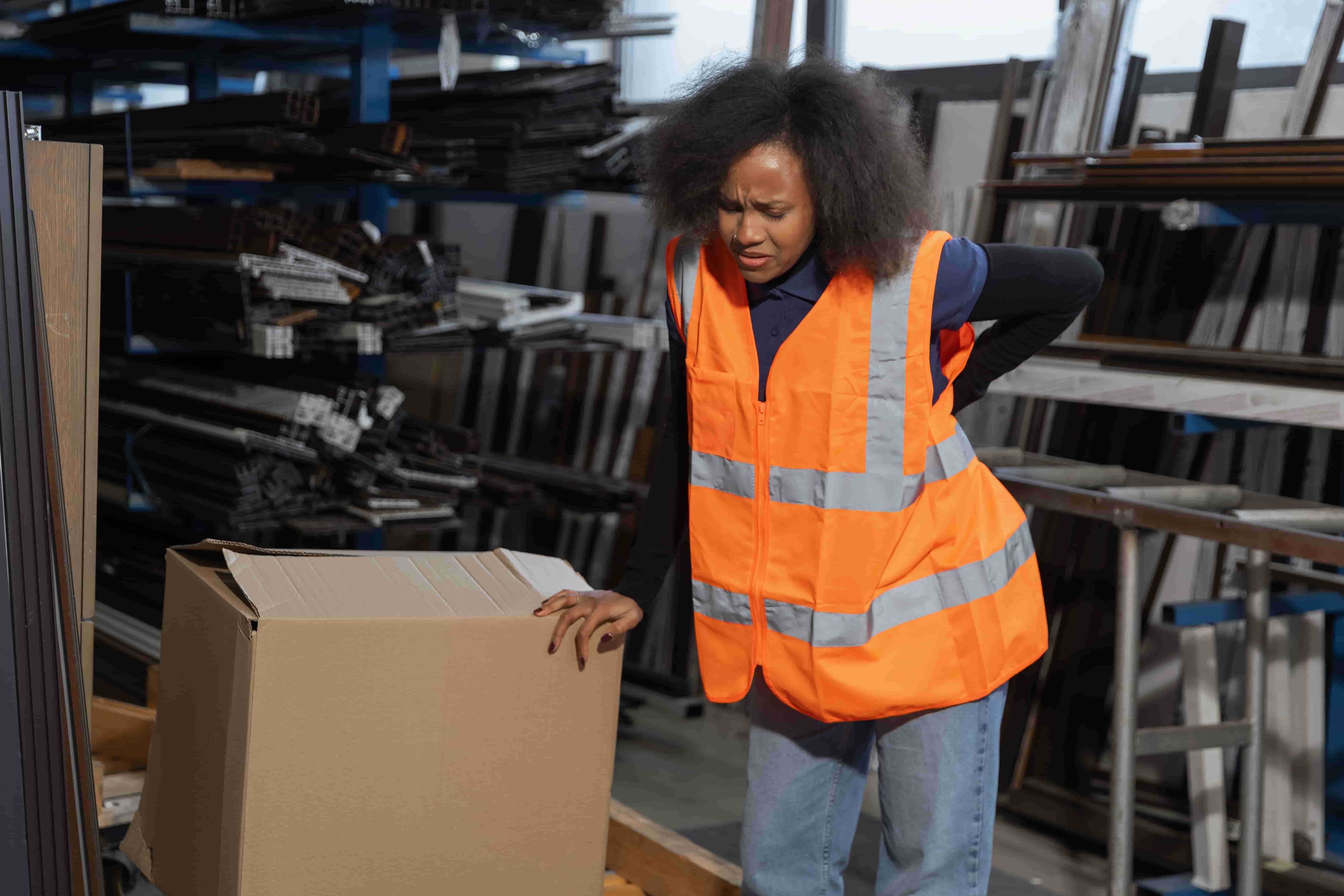 Manual Handling Injuries.jpg 232.88 KB
Building a safer working culture
Manual handling training goes beyond correct lifting technique. It promotes a proactive approach to safety which encourages employees to stop and think before carrying out a task. This mindset helps prevent injuries before they happen and supports long-term health at work across your entire organisation.
