Mobile elevating work platforms are widely used across construction, maintenance, warehousing and industrial environments. MEWPs allow workers to carry out tasks safely at height when used correctly. However, accidents involving MEWPs still occur and often result in serious injury or fatal outcomes. According to the Health and Safety Executive, falls from height remain one of the leading causes of workplace fatalities in the UK HSE statistics overview
Many MEWP incidents are linked to poor planning, incorrect operation or a lack of understanding of how the equipment behaves in real working conditions. A moment of inattention, uneven ground or misuse of controls can quickly turn a routine task into a dangerous situation. Understanding common MEWP hazards is an important step in reducing risk and improving safety on site.
A mobile elevating work platform is a machine designed to lift people to work at height. Common types include scissor lifts, self-propelled boom lifts and trailer-mounted boom lifts. MEWPs are used for tasks such as installation, inspection, maintenance and construction work.
IPAF categorises MEWPs to help users select and operate the correct equipment. Two of the most commonly used categories are:
• 3a Mobile Vertical such as scissor lifts that move only in the vertical plane
• 3b Mobile Boom such as articulated or telescopic boom lifts that can reach outwards as well as upwards
Further information on MEWP categories can be found on the IPAF site.
Common MEWP Accidents on Worksites
Falls from the Platform
Falls remain one of the most serious hazards when using MEWPs. These incidents often occur due to overreaching, climbing on guardrails or failing to close platform gates. Sudden movement of the machine or contact with nearby structures can also cause loss of balance.
IPAF training teaches correct working positions, safe use of guardrails and how to maintain stability while working at height. HSE guidance highlights the importance of planning work properly and using suitable equipment when working at height
HSE work at height guidance
MEWP Tip Overs and Overturns
Tip overs are commonly caused by poor ground conditions, excessive slope or operating outside the machine’s limits. Inadequate assessment of ground bearing capacity or using the wrong MEWP for the task increases this risk.
IPAF operator training covers site assessment, machine positioning and understanding load limits, helping operators recognise unsafe conditions before work begins. HSE guidance on planning work at height and selecting suitable work equipment reinforces these principles
HSE work equipment guidance
Crushing and Trapping Injuries
Crushing incidents can occur when operators are trapped between the platform and overhead structures such as steelwork, beams or ceilings. These incidents are more common when operating boom type MEWPs in confined or restricted spaces.
IPAF training focuses on hazard awareness, controlled movement and safe operating techniques to reduce the risk of entrapment.
Contact with Overhead Hazards
Contact with live services, nearby plant or fixed structures remains a frequent cause of MEWP incidents. Poor visibility, lack of exclusion zones and inadequate communication on site can all contribute to these accidents.
Training highlights the importance of pre-use inspections, hazard identification and maintaining safe distances during operation. HSE machinery safety guidance supports these control measures
HSE work equipment guidance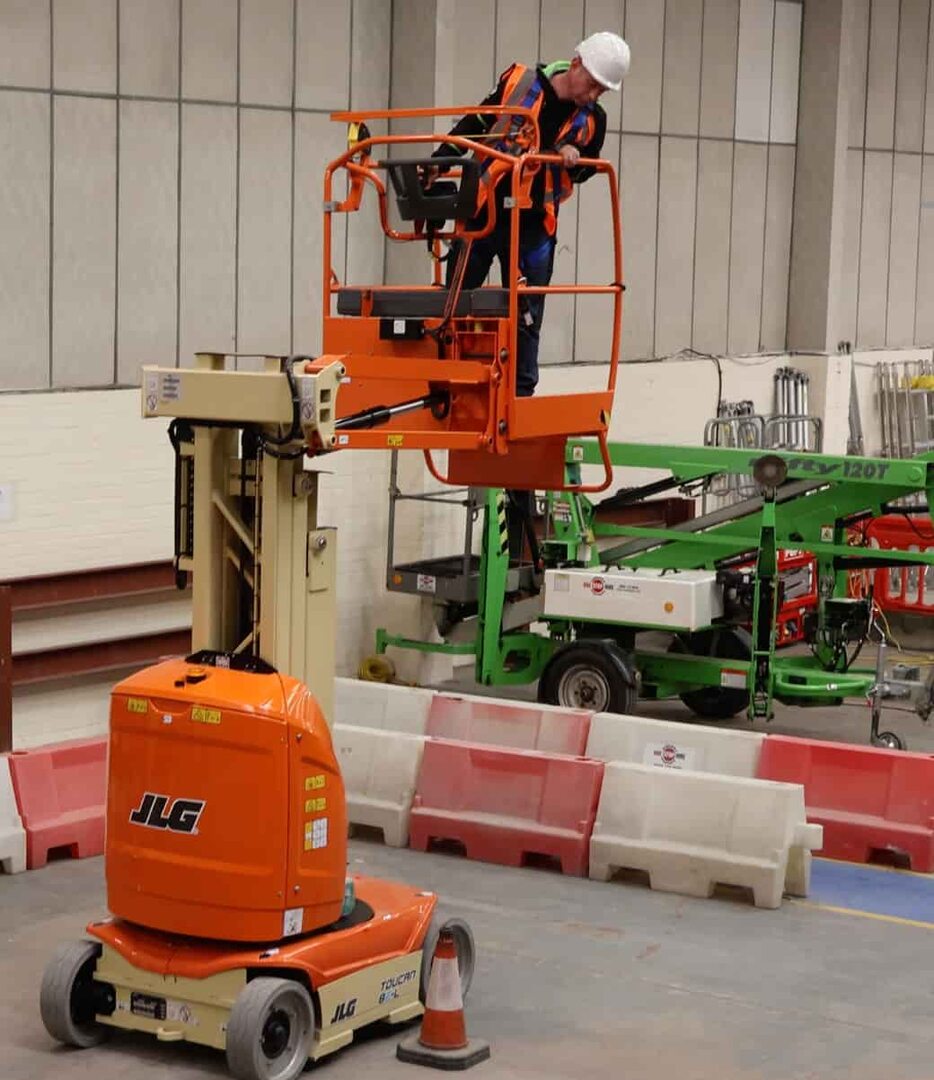 IPAF 3B.jpg 142.29 KB
How IPAF Training Helps Prevent MEWP Accidents
IPAF training is designed to address common MEWP hazards through a combination of theory, practical training and assessment. Operators learn not only how to operate the equipment but also how to recognise risks and respond appropriately.
The IPAF Operator course for categories 3a and 3b includes:
• Introduction and pre-course theory test
• Understanding MEWP categories
• Structural parts and safety systems
• Relevant regulations including PUWER, LOLER, MHSW, WAHR and RIDDOR
• Pre-use inspections and handover procedures
• Safe operating methods and hazard awareness
• Practical training and assessment
Further information on IPAF training standards and operator competence can be found on the IPAF training page.
HSE guidance on training and competence supports the need for properly trained MEWP operators
HSE managing training guidance
Who Should Attend IPAF Training
IPAF training is suitable for anyone who uses, supervises or manages the use of powered access equipment. This includes operators of scissor lifts, self-propelled boom lifts, trailer-mounted booms and aerial work platforms.
Those who only need to use one category of MEWP should complete single category training. Those who use both vertical and boom type MEWPs should complete dual category training covering 3a and 3b.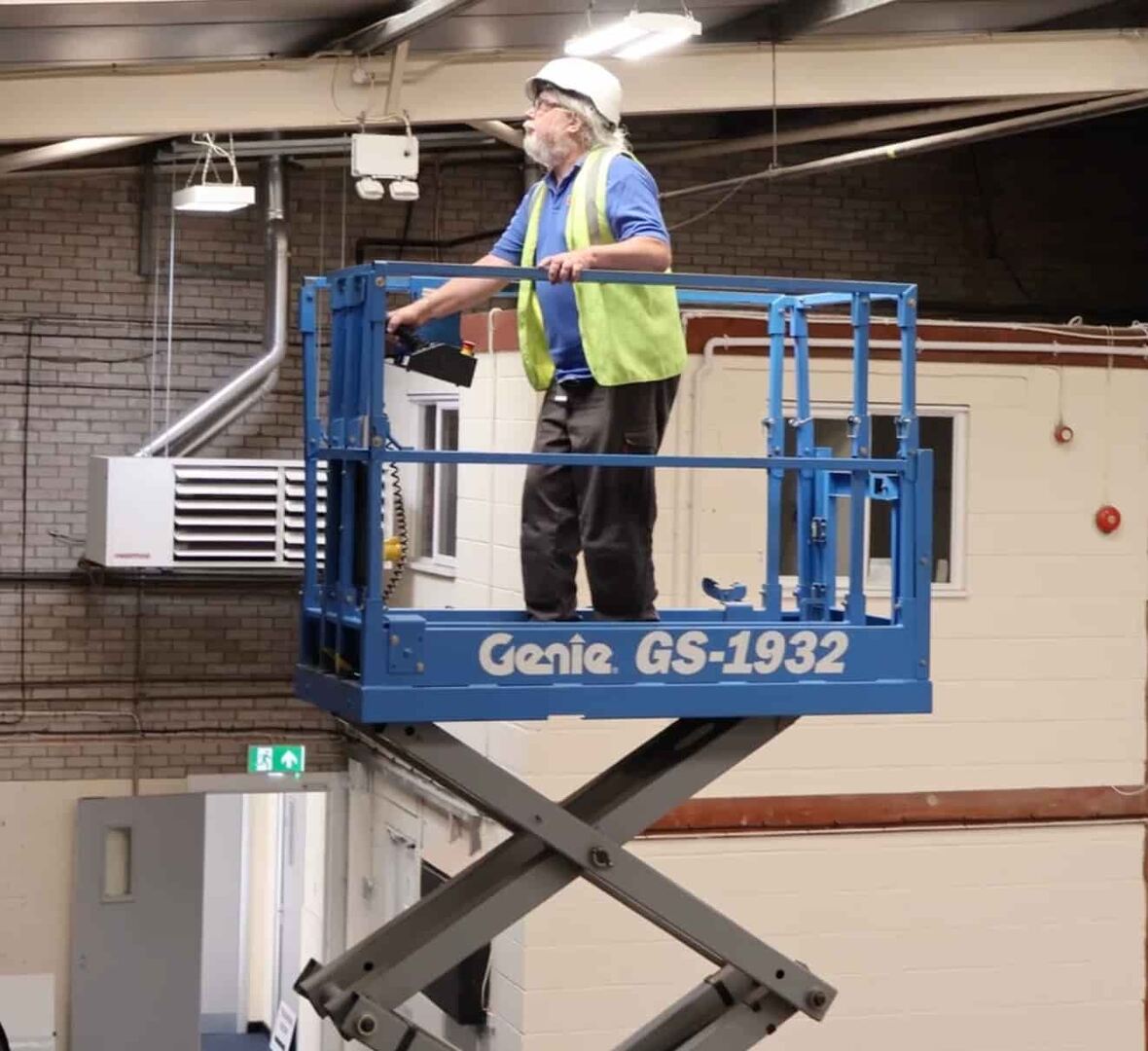 IPAF 3a.jpg 142.39 KB
IPAF Training with One Stop Safety Training
Manchester
Unit 1 Oakwood Industrial Estate Mode Wheel Road Salford M5 5DQ
Blackburn
Unit 4 Lodge Court Off Alan Ramsbottom Way Blackburn BB6 7FB
Sunderland
Unit 26, Pallion West Industrial Estate, Luxemburg Road, Sunderland, SR4 6SJ
For organisations requiring additional categories such as IPAF 1b Static Boom, training arrangements can be made by contacting the training team.
One Stop Safety Training
To discuss course options or make an enquiry, fill in the contact form, call 0808 168 6788 or email training@onestopsafetytraining.com.
