Working at height is one of the most dangerous tasks in many industries. Whether it’s construction, maintenance, or even simple tasks like changing a light bulb on a tall ladder, the risks are real and sometimes fatal. Falls from height remain a leading cause of workplace injuries and deaths worldwide. Understanding these hazards is crucial for anyone who finds themselves off the ground during their workday.
Every year, countless accidents occur because proper precautions were overlooked or safety measures were inadequate. The dangers are not always obvious at first glance. A small misstep, a weak scaffold, or a slippery surface can quickly turn a routine job into a life-threatening situation. Recognising the hazards and knowing how to manage them can save lives and prevent serious injuries.
How working at height is defined
Working at height refers to any task where a person could fall a distance liable to cause personal injury. This isn’t limited to towering skyscrapers or construction cranes. Even standing on a low ladder or a raised platform counts as working at height if there’s a risk of falling.
The definition covers work above ground or floor level, including fragile surfaces where a fall through is possible. It also includes work near edges, openings, or holes where someone could accidentally slip or trip and fall. The key factor is the potential for a fall that could cause harm, regardless of the actual height.
Understanding this broad definition helps employers and workers identify when safety measures need to be in place. It’s not just about how high the work is, but about the risk involved. Even a fall from a few feet can result in serious injury, so every situation where a fall is possible must be treated with caution.
In addition to the physical risks, working at height also presents psychological challenges. Workers may experience anxiety or fear when performing tasks at elevation, which can further compromise safety. This psychological aspect underscores the importance of proper training and support systems to ensure that workers feel confident and secure in their roles. Employers should foster an environment where workers can voice their concerns and seek assistance when they feel uncomfortable or unsure about a task involving height.
Moreover, the regulations surrounding working at height are designed to protect not only the workers directly involved but also those who may be affected by their work. For instance, construction sites often have strict guidelines to prevent falling objects from endangering passersby. Implementing comprehensive safety protocols, including the use of harnesses, guardrails, and safety nets, is essential in mitigating risks associated with working at height. By prioritising safety and adhering to established regulations, employers can create a safer workplace that minimises the likelihood of accidents and injuries.
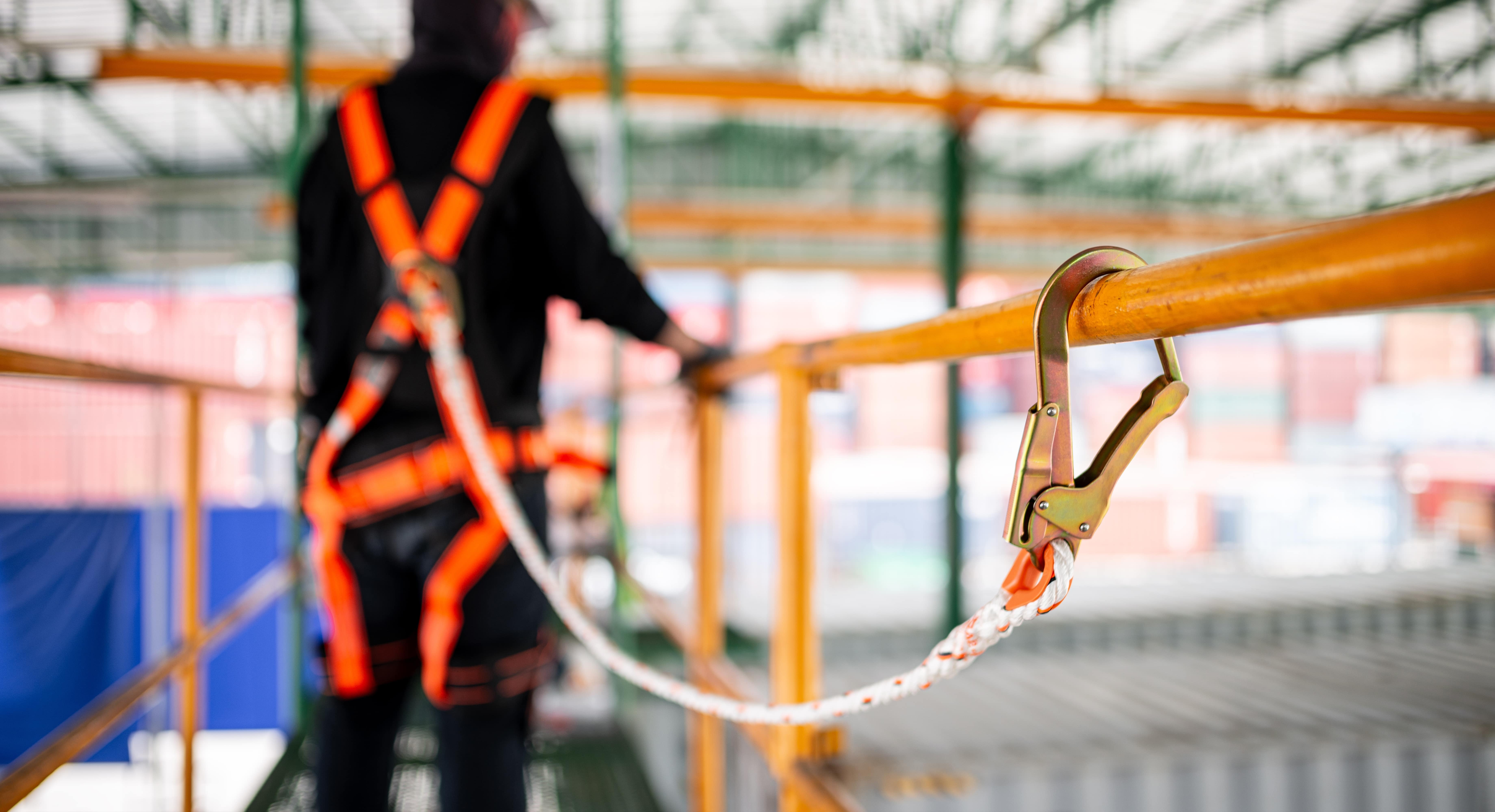 Hazards when working at height.jpg 787.97 KB
Who are the working from height regulations designed to keep safe
Working from height regulations are designed to protect anyone who might be exposed to fall risks during their work. This includes employees, contractors, and even visitors who enter work areas where height hazards exist. The goal is to ensure that everyone on site is safeguarded against falls and related injuries.
Employers have a legal responsibility to assess the risks of working at height and implement appropriate safety measures. This means providing proper equipment, training, and supervision. Workers, on the other hand, must follow safety procedures and use equipment correctly to protect themselves and others.
Regulations also cover the use of ladders, scaffolds, and fall arrest systems, ensuring they meet safety standards. They apply across various industries—from construction and roofing to window cleaning and telecommunications. Essentially, anyone who might be working at height falls under these rules, making them a critical part of workplace safety.
Moreover, it's important to recognise that the implications of these regulations extend beyond just physical safety. They also foster a culture of responsibility and awareness among all personnel involved. By prioritising safety, organisations not only comply with legal obligations but also promote a positive work environment where employees feel valued and protected. This can lead to increased morale and productivity, as workers are more likely to perform effectively when they know their safety is a priority.
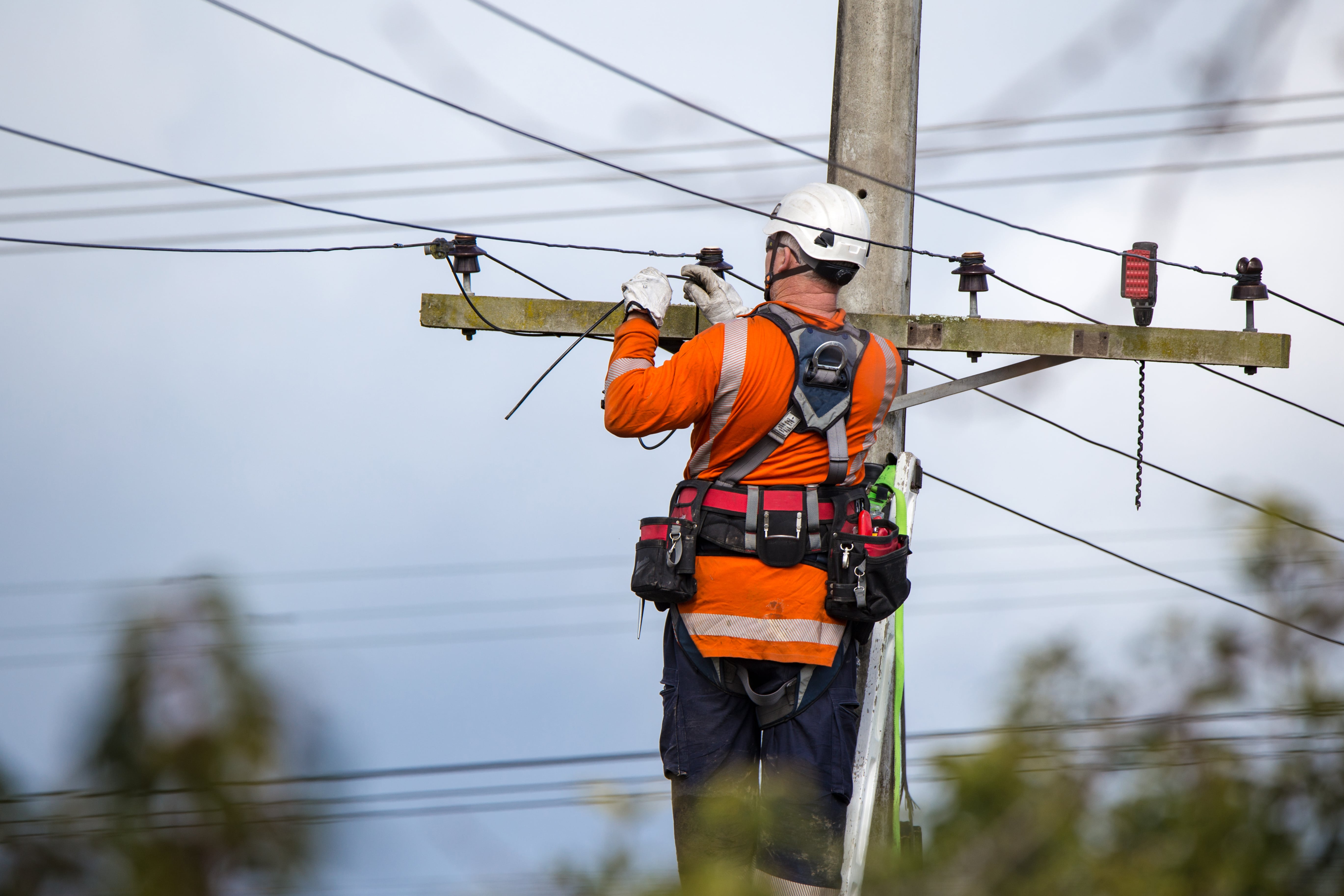 Equiptment preventing hazards when working at height.jpg 956.26 KB
Working at height statistics
Statistics paint a stark picture of the dangers involved in working at height. Falls from height are among the leading causes of fatal injuries in the workplace globally. In many countries, they account for a significant percentage of workplace deaths each year.
Non-fatal injuries are also common and can be devastating. Broken bones, head injuries, and long-term disabilities often result from falls. These injuries not only affect workers’ lives but also have a financial impact on businesses due to lost productivity and compensation claims.
Data shows that many accidents happen due to inadequate training, poor equipment, or failure to follow safety protocols. For example, falls from ladders are a frequent cause of injury, often because the ladder was unstable or used incorrectly. Understanding these statistics highlights the importance of strict adherence to safety measures to reduce risks. Additionally, analysing these incidents can provide valuable insights into common pitfalls and help organisations develop targeted training programs to address specific vulnerabilities.
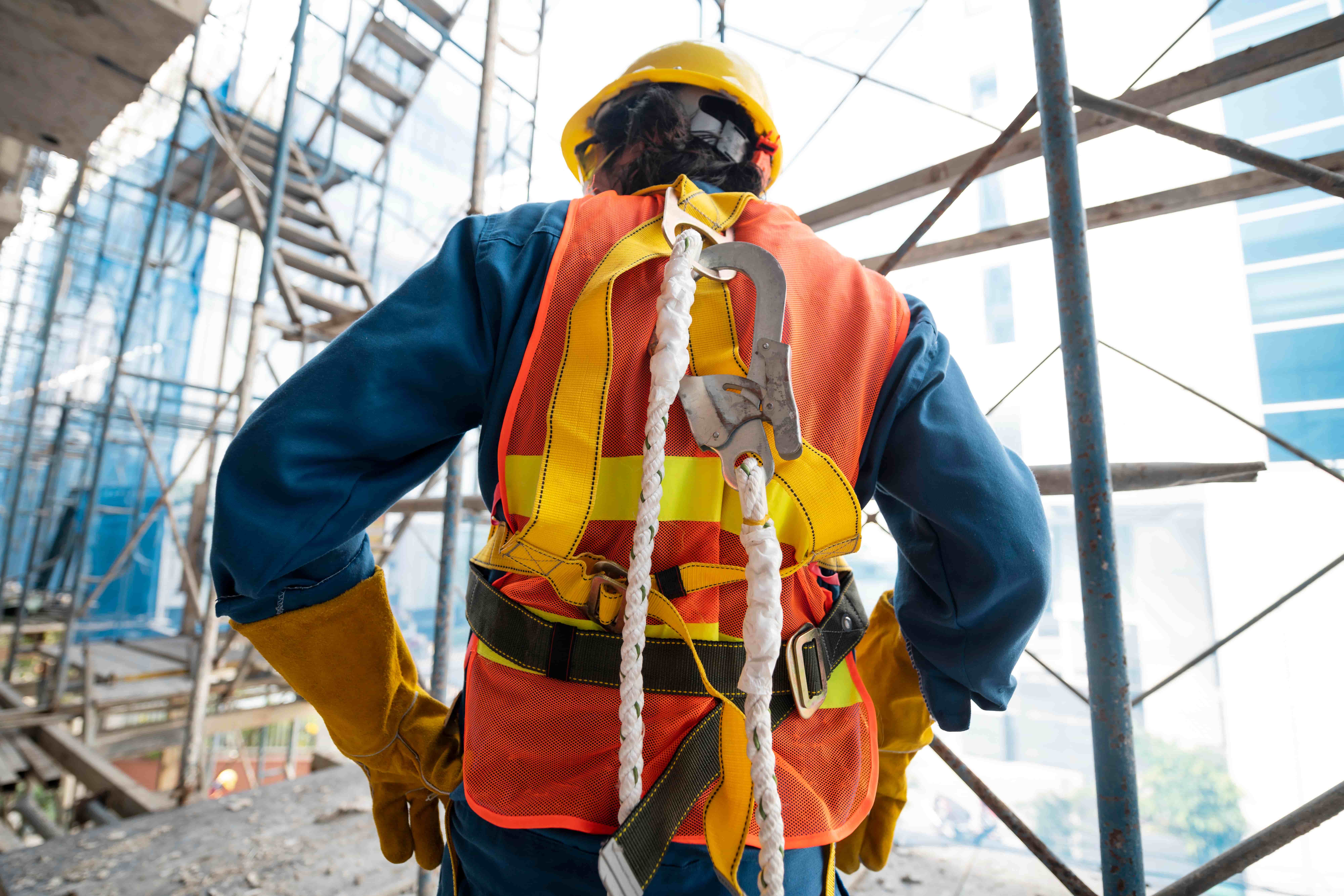 Harness at Height.jpg 885.33 KB
Safety when working at height
Safety when working at height starts with proper planning. Before any work begins, a thorough risk assessment should identify potential hazards and determine the safest way to carry out the task. This includes selecting the right equipment and ensuring it is in good condition.
Personal protective equipment (PPE) plays a vital role. Harnesses, helmets, and non-slip footwear can make a significant difference in preventing injuries. However, PPE should never be the only line of defence. Collective measures like guardrails, safety nets, and secure scaffolding provide broader protection for everyone on site.
Training is equally important. Workers must understand how to use equipment safely and recognise hazards. Regular refresher courses help keep safety top of mind and ensure everyone is up to date with the latest best practices. Supervision and enforcement of safety rules are also crucial to maintain a safe working environment. Furthermore, involving workers in safety discussions can enhance their understanding and commitment to safety protocols, creating a more engaged workforce that actively participates in maintaining a safe environment.
Preventing Working at Height Hazards with One Stop Safety Training
At One Stop Safety Training, we believe that prevention is the most effective way to manage risks associated with working at height. Our goal is to ensure every worker is equipped with the knowledge, skills, and confidence to perform tasks safely and efficiently.
The best way to prevent working at height hazards is to eliminate the need to work at height wherever possible. Our Working at Height Courses provide comprehensive guidance on assessing when it’s necessary to work at height and how to use safe alternatives such as extendable tools or ground-based methods to reduce exposure to fall risks.
When working at height cannot be avoided, controlling and managing risks becomes the top priority. One Stop Safety Training offers industry-recognised programmes such as IPAF Courses and PASMA Courses, which focus on the correct selection, inspection, and safe use of access equipment—including mobile elevating work platforms (MEWPs), scaffolds, and towers. Participants learn how to identify faulty or damaged equipment and follow best practices for maintenance and inspection.
Effective communication and clear signage are also key components of our training. By establishing exclusion zones and maintaining proper site organisation, our courses teach how to prevent injuries from falling objects and minimise trip hazards. Good housekeeping, regular equipment checks, and scheduled safety audits all contribute to a safer working environment.
Finally, One Stop Safety Training emphasises the importance of building a proactive safety culture. Our training encourages workers to speak up about hazards, unsafe practices, or potential risks without hesitation. By fostering open dialogue and accountability, we help organisations create a workplace where everyone plays an active role in maintaining safety and preventing accidents.
Through continuous education and adherence to best practices, One Stop Safety Training ensures that safety at height is never compromised, protecting both workers and workplaces.
